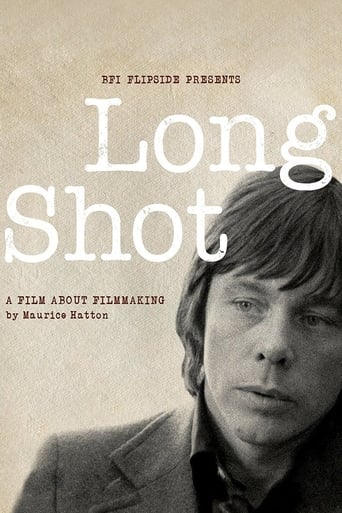
Neville Smith was born in Liverpool in 1940, emerging as one of the influential working-class voices that reshaped British television drama during the 1960s and 1970s. As both an actor and writer, he brought raw authenticity and fresh perspective to the small screen, breaking away from the polished conventions of the era.
Smith is best remembered for his creative partnership with director Ken Loach, for whom he wrote two of Loach's most acclaimed television films: *The Golden Vision* (1968), a *Wednesday Play* installment for the BBC, and *After a Lifetime* (1971), broadcast on ITV. These works exemplified the socially conscious, character-driven storytelling that defined the period.
Beyond his collaboration with Loach, Smith forged a notable alliance with director Stephen Frears. Together, they created the cult classic detective film *Gumshoe* (1971), a distinctive British noir starring Albert Finney. The film showcased Smith's talent for blending genre conventions with wit and originality, earning a devoted following over the years.
Through his writing and performances, Neville Smith left an indelible mark on British television and cinema, helping to pave the way for more diverse, working-class narratives in the arts. His work remains a testament to the power of authentic storytelling rooted in lived experience.
Smith is best remembered for his creative partnership with director Ken Loach, for whom he wrote two of Loach's most acclaimed television films: *The Golden Vision* (1968), a *Wednesday Play* installment for the BBC, and *After a Lifetime* (1971), broadcast on ITV. These works exemplified the socially conscious, character-driven storytelling that defined the period.
Beyond his collaboration with Loach, Smith forged a notable alliance with director Stephen Frears. Together, they created the cult classic detective film *Gumshoe* (1971), a distinctive British noir starring Albert Finney. The film showcased Smith's talent for blending genre conventions with wit and originality, earning a devoted following over the years.
Through his writing and performances, Neville Smith left an indelible mark on British television and cinema, helping to pave the way for more diverse, working-class narratives in the arts. His work remains a testament to the power of authentic storytelling rooted in lived experience.