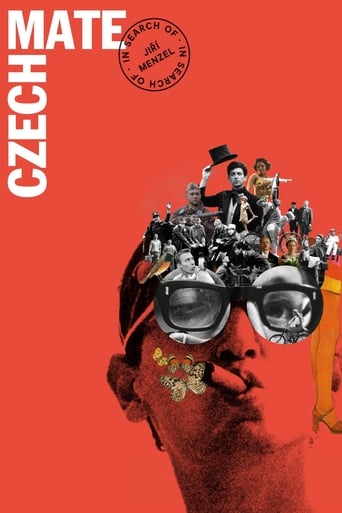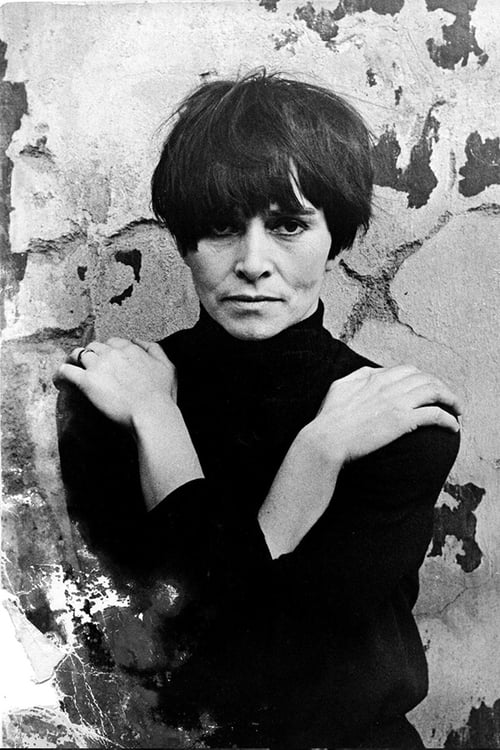
Věra Chytilová was a trailblazing Czech filmmaker, renowned for her innovative and avant-garde contributions to cinema. Born on February 2, 1929, she embarked on her cinematic journey at the age of 28 when she enrolled at the Film and TV School of the Academy of Performing Arts in Prague (FAMU). Under the guidance of the esteemed director Otakar Vavra, she graduated in 1962.
Chytilová gained international acclaim for her audacious film "Sedmikrásky" (Daisies), released in 1966. This work, characterized by its unconventional narrative structure and striking visual style, was initially met with controversy and censorship, resulting in a ban in Czechoslovakia until 1967. However, it earned the Grand Prix at the Bergamo Film Festival in Italy, showcasing her daring approach to filmmaking.
Following the release of "Daisies," Chytilová faced significant challenges securing work in Czechoslovakia, especially after the Soviet invasion in 1968. She was forced to direct commercials under her husband Jaroslav Kučera's name. In 1976, after a government initiative to revitalize cinema attendance, she received a commission to create films through a state-run studio. This period marked a turning point as international pressure helped her secure permission to screen "Daisies" at the US 'Year of Women' Film Festival, leading to her subsequent film "Hra o jablko" (The Apple Game), which won the Silver Hugo at the Chicago International Film Festival.
Chytilová was known for her assertive, critical stance against the Soviet regime, often pushing boundaries to achieve her artistic vision despite pervasive censorship. Her last film was released in 2006, and she continued to influence future generations by teaching directing at FAMU. Chytilová's legacy is defined by her distinctive visual language, which combines elements of surrealism and allegory, drawing
Chytilová gained international acclaim for her audacious film "Sedmikrásky" (Daisies), released in 1966. This work, characterized by its unconventional narrative structure and striking visual style, was initially met with controversy and censorship, resulting in a ban in Czechoslovakia until 1967. However, it earned the Grand Prix at the Bergamo Film Festival in Italy, showcasing her daring approach to filmmaking.
Following the release of "Daisies," Chytilová faced significant challenges securing work in Czechoslovakia, especially after the Soviet invasion in 1968. She was forced to direct commercials under her husband Jaroslav Kučera's name. In 1976, after a government initiative to revitalize cinema attendance, she received a commission to create films through a state-run studio. This period marked a turning point as international pressure helped her secure permission to screen "Daisies" at the US 'Year of Women' Film Festival, leading to her subsequent film "Hra o jablko" (The Apple Game), which won the Silver Hugo at the Chicago International Film Festival.
Chytilová was known for her assertive, critical stance against the Soviet regime, often pushing boundaries to achieve her artistic vision despite pervasive censorship. Her last film was released in 2006, and she continued to influence future generations by teaching directing at FAMU. Chytilová's legacy is defined by her distinctive visual language, which combines elements of surrealism and allegory, drawing